Where the Spring Meets the Woods
Most visitors know Weeki Wachee for the state park and its famous mermaid shows, or for paddling the cold, clear Weeki Wachee River as it winds west toward the Gulf. The people who live here know a different side of it: shady streets under live oaks and pines, homes backing onto canals and the river, and wooded parcels where the underbrush grows back almost as fast as it can be cut.
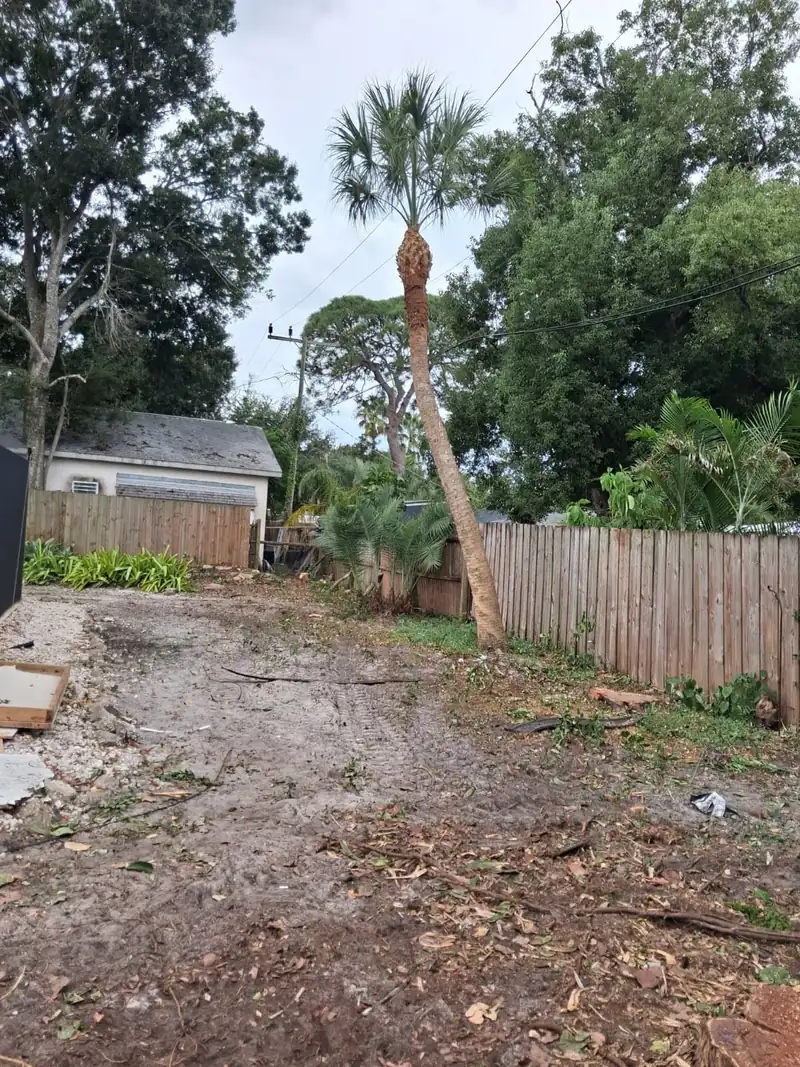
That mix means no two jobs here look alike. A canal-front home might need one leaning tree removed without anything touching the water, while a property a mile inland needs half an acre of palmetto and scrub oak opened up. We plan each visit around the actual property rather than a one-size approach.
Riverfront and Canal Homes Need a Lighter Touch
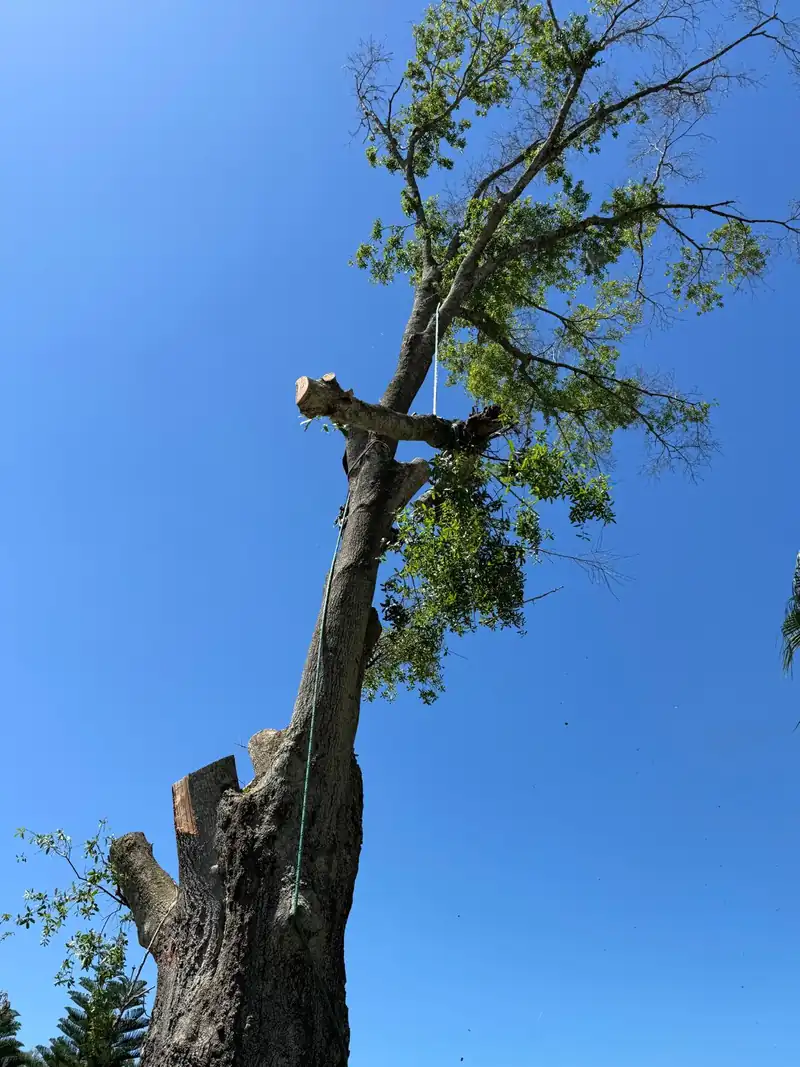
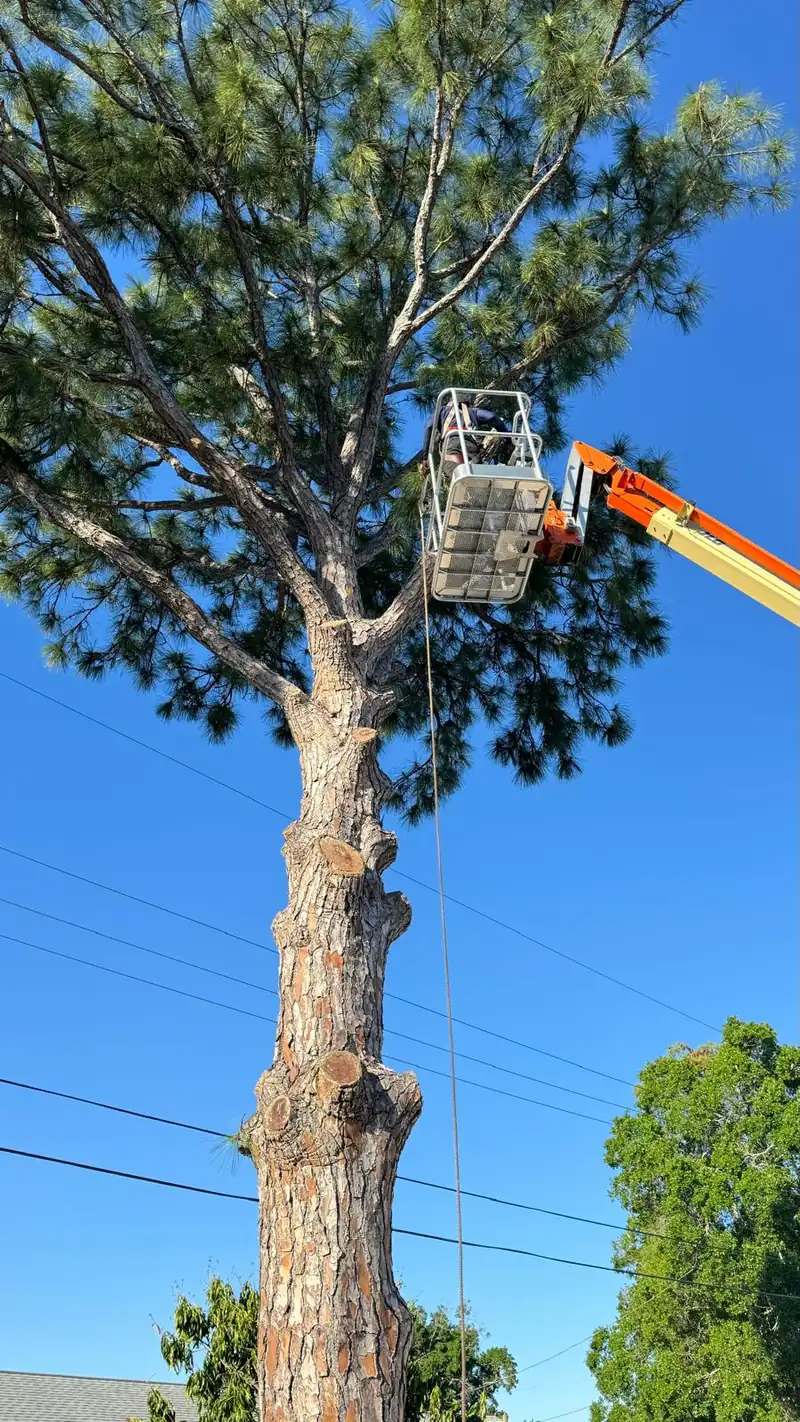
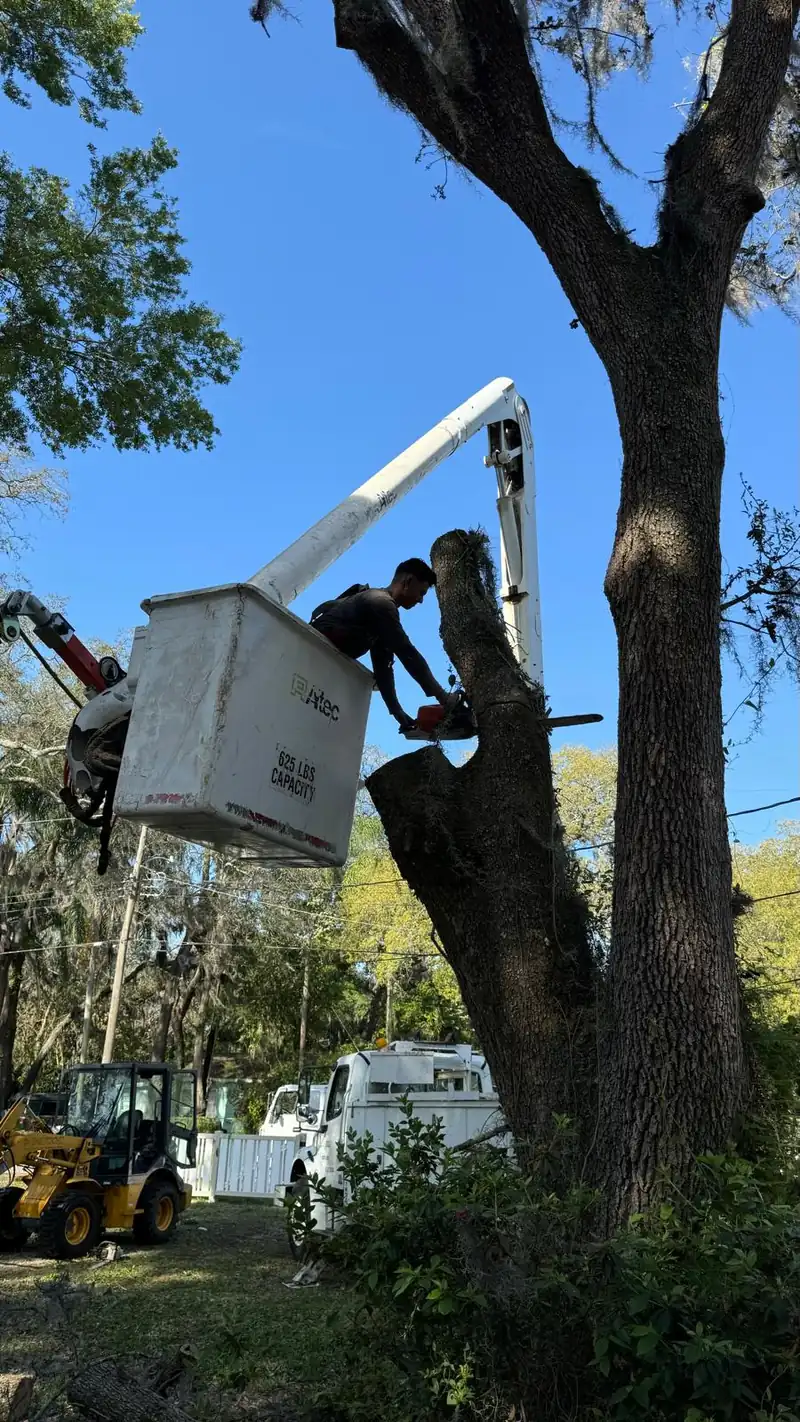
Along the river and the canals near Rogers Park, yards are often narrow, docks and seawalls are close by, and the trees include bald cypress, red maple, sabal palm and water-loving oaks. Access is the main challenge. Heavy equipment cannot simply drive across a soft waterfront lawn, so we rely on climbing work, rigging and our bucket truck from the street side to lower wood in controlled pieces.
We keep cut material out of the water and away from the shoreline, and we clean up thoroughly so leaves and sawdust do not end up in the canal. If a tree is close to the water or on a protected shoreline, rules may be stricter than on an inland lot; we will tell you what is usually required, and it is worth checking with Hernando County before work starts.
Bigger Wooded Lots Off SR-50 and US-19
Away from the water, Weeki Wachee has a lot of larger residential parcels, including neighborhoods such as Royal Highlands north of SR-50. Many of these lots were bought for their privacy and still carry dense native growth: sand pine, turkey oak, laurel oak, wax myrtle and thick saw palmetto.
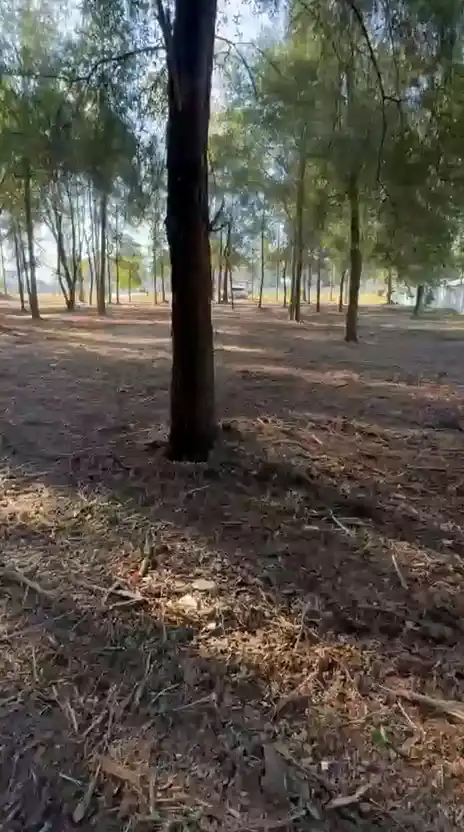
Owners usually want to keep the tall trees but get rid of the tangle underneath. That is where brush clean up and forestry mulching earn their keep. The mulcher grinds the understory in place and leaves a natural layer on the ground, so you get a park-like yard with room to walk, a clear view of the property and less fuel close to the house. For owners getting ready to build, we also handle full lot clearing.
Gulf Storms, Surge and Soggy Ground
Being this close to the coast has a cost when a hurricane or tropical storm comes up the Gulf. Low areas near the river and the coast can flood, and waterlogged soil makes it easier for wind to push over shallow-rooted pines and oaks. Even storms that pass well offshore can leave broken tops and hanging limbs across the neighborhood.
Before the season, it pays to have dead wood and heavy limbs over the house thinned out with tree trimming. After a storm, we handle hazardous tree removal and haul the leftover limbs and logs through our debris removal service.
Neighboring Areas We Serve
Weeki Wachee connects easily to the rest of the Nature Coast by US-19 and SR-50. From here we work south into Spring Hill, east toward Brooksville, and north along US-19 past the Chassahowitzka area into Homosassa. Hernando Beach and the coastal communities west of US-19 are on our regular route as well.
Why Locals Book FTDF Services
We are a Tampa-based crew that travels across a 100-mile radius, and the Suncoast Parkway and US-19 bring us to Weeki Wachee without trouble. On waterfront jobs we bring climbing gear, the bucket truck and a stump grinder; on wooded lots we bring the track loader with its mulching head and a dump trailer for hauling. You can call us early in the morning or well into the evening, any day, and talk to us in English or Spanish.
There is no charge for an estimate. We look at the trees, talk about what you want to keep and explain the plan. Start by filling out our request form.