
Sand Hills, Scrub and Open Acreage
Lecanto is not a town with a big downtown grid. It is a spread-out community of homes on large lots, small farms, wooded parcels and a growing number of subdivisions, centered on the crossroads of SR-44 and CR-491. The county government complex and the Citrus campus of the College of Central Florida are here, but much of the land around them is still natural.
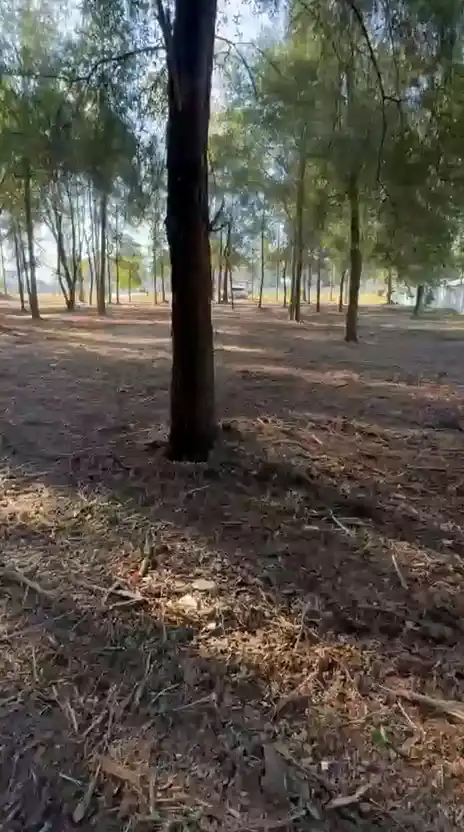
That land is mostly deep, well-drained sand. It supports sandhill and scrub plant communities: longleaf pine, turkey oak, sand live oak, myrtle oak, rosemary and dense saw palmetto, with thick stands of sand pine in many places. South of SR-44, the Citrus Tract of the Withlacoochee State Forest protects a large block of this landscape, and many private parcels nearby look much the same.
Sand Pine: Fast to Grow, Quick to Fail
Sand pine is one of the most common trees on Lecanto acreage, and it behaves differently from the slash and longleaf pines many people are used to. It grows quickly in poor sand, often in crowded stands, and it is relatively short-lived. Older sand pines tend to lean, snap or uproot in strong wind because their roots are shallow and the soil offers little grip.
When sand pine grows close to a house, a barn or a driveway, it is worth reviewing which trees should stay. We can remove the high-risk trees with our tree removal crew and thin the rest, so the remaining trees have more space and the property is easier to maintain.
Reducing Wildfire Risk on Scrub Land
Scrub and sand pine are naturally fire-adapted, and the dry season from late winter through May can bring fast-moving brush fires to central Citrus County. Palmetto, dead pine needles and dense young growth around a home act as fuel. Fire risk reduction focuses on breaking up that fuel:
- Clearing a defensible zone around the house and outbuildings
- Removing ladder fuels, the low branches and brush that carry flames into tree crowns
- Thinning crowded stands of sand pine
- Cutting firebreaks along property lines and fences
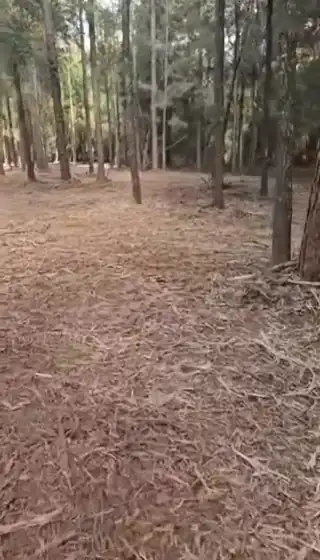
Our preferred tool for this is forestry mulching. The mulching head on our track loader grinds palmetto and small trees into a ground layer that holds sandy soil in place, without the burn piles or large debris loads of traditional clearing.
From Raw Land to a Buildable Homesite
Many buyers come to Lecanto for a few acres of privacy. Turning a wooded parcel into a homesite usually happens in stages:
- Access first. We cut and grade a driveway with our access road construction work, giving delivery trucks a firm route to the build site.
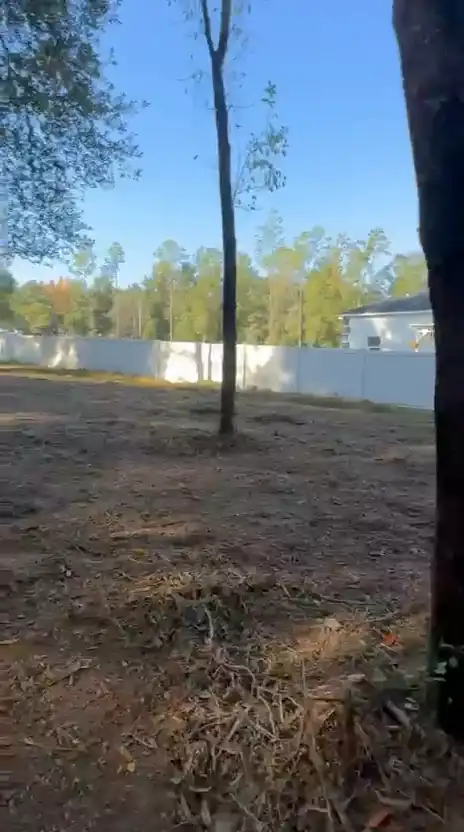
- Clear the site. Full land clearing removes trees, stumps and roots where the house, septic system and yard will go.
- Shape the ground. Land leveling smooths the pad and yard so the builder has a workable surface.
- Keep the best trees. We leave selected oaks and longleaf pines standing for shade and privacy wherever the plan allows.
Loose sand can be hard on wheeled equipment, which is why tracked machines do most of the heavy work on these jobs.
Roads and Areas We Cover Around Lecanto
We work throughout the Lecanto area, along SR-44 between Crystal River and Inverness, up CR-491 toward Beverly Hills, and on the roads around Black Diamond and the state forest. Properties toward Homosassa and Inverness are part of our regular route too.
Why Lecanto Landowners Hire FTDF Services
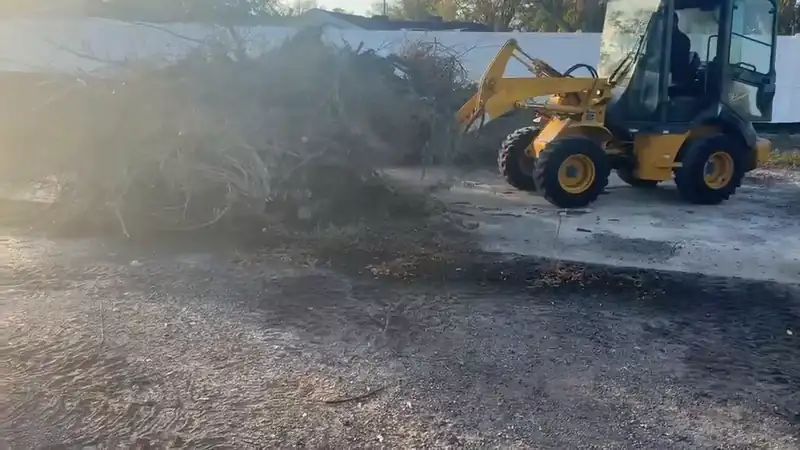
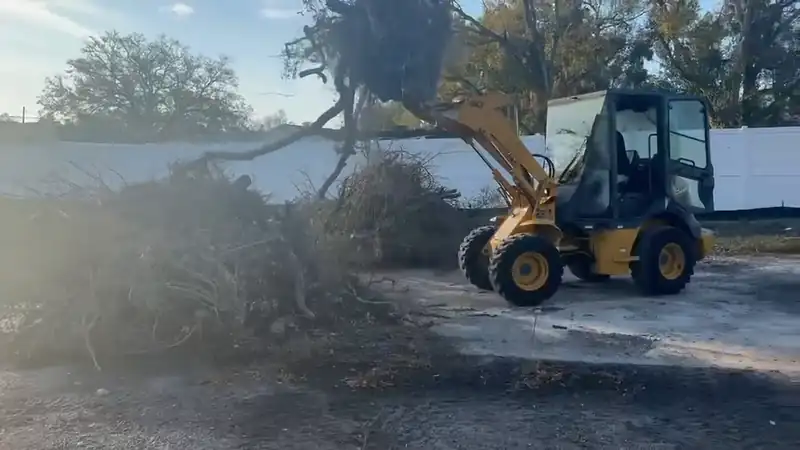
We are based in northwest Tampa and cover a 100-mile radius, and acreage work on the Nature Coast is a big part of what we do. Our equipment list fits this kind of land: the mulcher-equipped track loader, a skid steer, a wheel loader with a log grapple, stump grinders, chainsaws and a dump trailer. Whether it is first thing in the morning or later in the evening, any day of the week, you can call and speak with us in English or Spanish.
Together we tour the acreage for a free estimate and talk through what to clear and what to keep. Get started with our contact form.